

laminated glass burglar proof
Understanding the Ring Screw Gauge An Essential Tool for Precision Measurement In the world of engineering and manufacturing, the accuracy of measurements plays a crucial role in ensuring that components fit perfectly and function as intended. One of the tools that professionals frequently use to achieve this level of precision is the ring screw gauge, often simply referred to as a screw gauge or micrometer. This specialized instrument allows for the exact measurement of diameters, thicknesses, and depths, making it indispensable in various fields such as mechanical engineering, metalworking, and quality control. What is a Ring Screw Gauge? A ring screw gauge functions based on a screw mechanism, providing linear measurements with high precision. The device typically consists of a cylindrical ring with a finely threaded screw that moves perpendicularly to the axis of the ring when turned. The distance that the screw moves correlates directly to the measurements taken. Depending on the model, the screw gauge can measure in millimeters or inches, making it versatile for different applications. The ring part of the screw gauge is designed to encircle an object being measured, such as a wire, rod, or rod end. The fit between the ring and the object provides a method for determining its diameter. The screw mechanism, which allows for minute adjustments, gives users the ability to take extremely precise measurements, often down to a thousandth of a millimeter. How to Use a Ring Screw Gauge Using a ring screw gauge is relatively straightforward, although it does require some basic knowledge and practice. Here’s a step-by-step guide on how to use this instrument effectively 1. Preparation Make sure the screw gauge is clean and free from dust or grease . Any contaminants can affect measurement accuracy. 2. Calibration Before measuring, calibrate the gauge by closing it until the two surfaces meet without any gap. This setting ensures that the measurement starts from a known baseline. 3. Placement Open the ring slightly and place it around the object whose diameter you wish to measure. Ensure that the object fits snugly within the ring. 4. Adjustment Slowly turn the screw until it makes contact with the surface of the object. It is crucial to apply gentle pressure to avoid deforming soft materials or damaging the gauge. ring screw gauge 5. Reading the Measurement Once the screw is in place, read the scale on the gauge. Most models feature a main scale and a vernier scale, allowing for precise readings. 6. Record Keeping After obtaining the measurement, make sure to document it accurately for quality assurance or further processing. Advantages of Using a Ring Screw Gauge The ring screw gauge offers numerous advantages over other measurement tools - High Precision With the capability to measure in very fine increments, the ring screw gauge is ideal for applications where exact measurements are critical. - Durability Typically made from high-quality steel or other durable materials, these gauges are built to withstand the rigors of professional use, ensuring longevity. - Ease of Use Once familiar with the instrument, users can quickly and effectively measure various components, contributing to enhanced productivity on the shop floor. - Versatility Suitable for measuring a wide range of materials, including metals, plastics, and composites, the ring screw gauge is an essential tool in many industries. Conclusion In conclusion, the ring screw gauge is a vital instrument that exemplifies the precision needed in modern engineering and manufacturing. By allowing precise measurements of diameter and thickness, it contributes significantly to the quality standards in production processes. Understanding how to use this tool effectively not only enhances the accuracy of measurements but also supports the overall efficiency and success of engineering projects. Whether you are a seasoned engineer or a student learning the ropes, mastering the ring screw gauge is a crucial step in developing your measurement skills and ensuring operational excellence.
about
laminated glass burglar proof
Understanding Standard Thread Plug Gauges Thread plug gauges are essential tools used in manufacturing and quality control to ensure the accuracy and consistency of threaded parts. As the name suggests, these gauges are designed to check the internal threads of a component, ensuring that they meet specified standards. In this article, we will explore the importance of standard thread plug gauges, their types, and how they are used in various industries. What Are Thread Plug Gauges? Thread plug gauges are precision devices made of durable materials, often steel, that are used to inspect the internal threads of holes. They help determine whether a threaded hole can accept a specific screw or bolt correctly. The gauges come with a defined thread profile and can be classified into two primary types Go gauges and No-Go gauges. 1. Go Gauges These gauges are used to verify that the minimum allowable dimensions of the thread are met. If the Go gauge fits into the threaded hole, it indicates that the thread is acceptable. 2. No-Go Gauges In contrast, No-Go gauges are used to check the maximum allowable dimensions. If the No-Go gauge fits into the threaded hole, it signifies that the thread has exceeded the acceptable limits and is therefore considered defective. Importance of Standard Thread Plug Gauges Standards are critical in manufacturing, as they help ensure interoperability and safety across various applications. Standard thread plug gauges are manufactured according to international standards, such as those set by the American National Standards Institute (ANSI), International Organization for Standardization (ISO), and the American Society of Mechanical Engineers (ASME). The significance of these standards includes 1. Quality Assurance Standardization ensures that all manufacturing processes comply with predetermined quality levels. It minimizes the risk of defects, ensuring that products are reliable and safe to use. 2. Interchangeability Products manufactured under standard specifications can be easily replaced or interchanged, facilitating repairs and maintenance across different brands and industries. standard thread plug gauge 3. Cost Efficiency By minimizing defects and ensuring consistent quality, manufacturers save money on rework and scrap material, ultimately leading to higher profitability . Applications of Thread Plug Gauges Thread plug gauges find applications across various industries, including - Automotive In the automotive sector, precision is paramount. Components such as engine blocks, transmission parts, and chassis assemblies rely on accurate threading to ensure proper assembly and performance. - Aerospace The aerospace industry demands the highest standards of safety and quality. Thread plug gauges are used to inspect threaded holes in critical components like landing gear and engine mounts. - Manufacturing General manufacturing utilizes thread plug gauges to inspect parts ranging from simple fasteners to complex machinery components, ensuring they meet the required thread specifications. Conclusion Thread plug gauges are indispensable tools in the quality assurance arsenal of various industries. By adhering to standard specifications, these gauges facilitate accurate inspections, promote consistency, and ensure the safety and efficiency of threaded components. As technology advances and manufacturing processes become more sophisticated, the importance of standard thread plug gauges will only continue to grow, supporting the drive towards higher quality and precision in all products. For manufacturers, investing in high-quality thread plug gauges is not just a choice; it is a necessity to meet the demands of modern production and quality standards.
-

High quality industrial productsagement

High quality industrial products
View Details -

Meet the diverse needs of customers

Meet the diverse needs of customers
View Details -

Strict quality control

Strict quality control
View Details -

Top raw materials

Top raw materials
View Details -

Trusted supplier

Trusted supplier
View Details
Our application


news and information
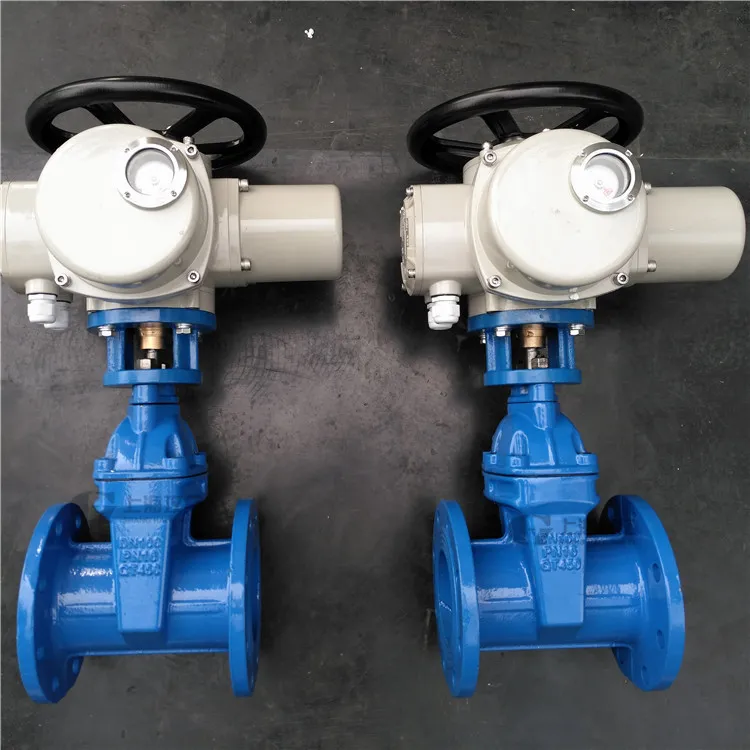
Vanne de porte d'étanchéité douce électrique
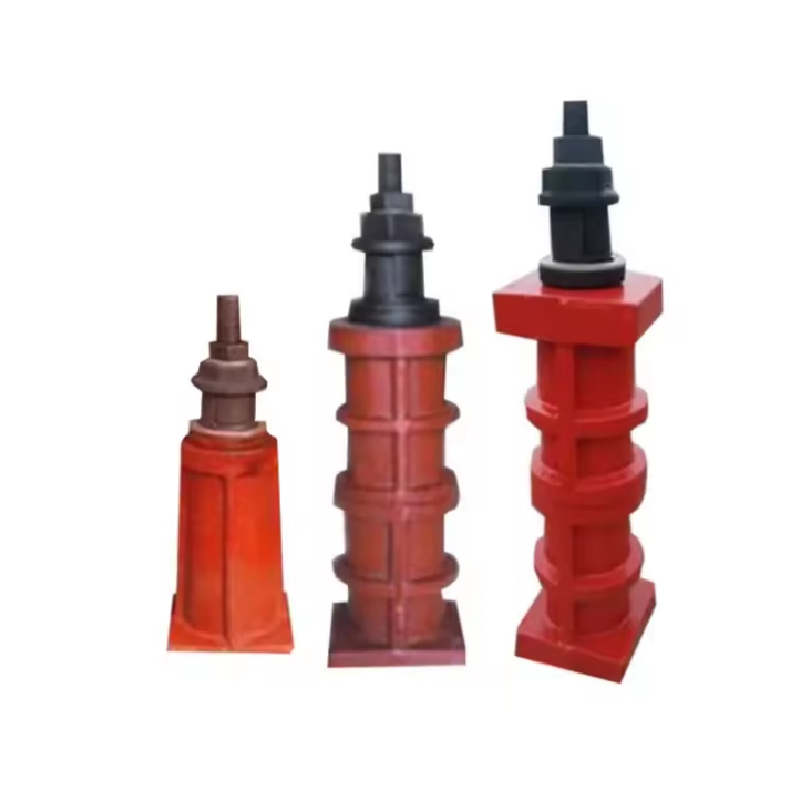
Les vannes à guillotine de 14 pouces une solution robuste pour les systèmes complexes Lorsqu'il s'a

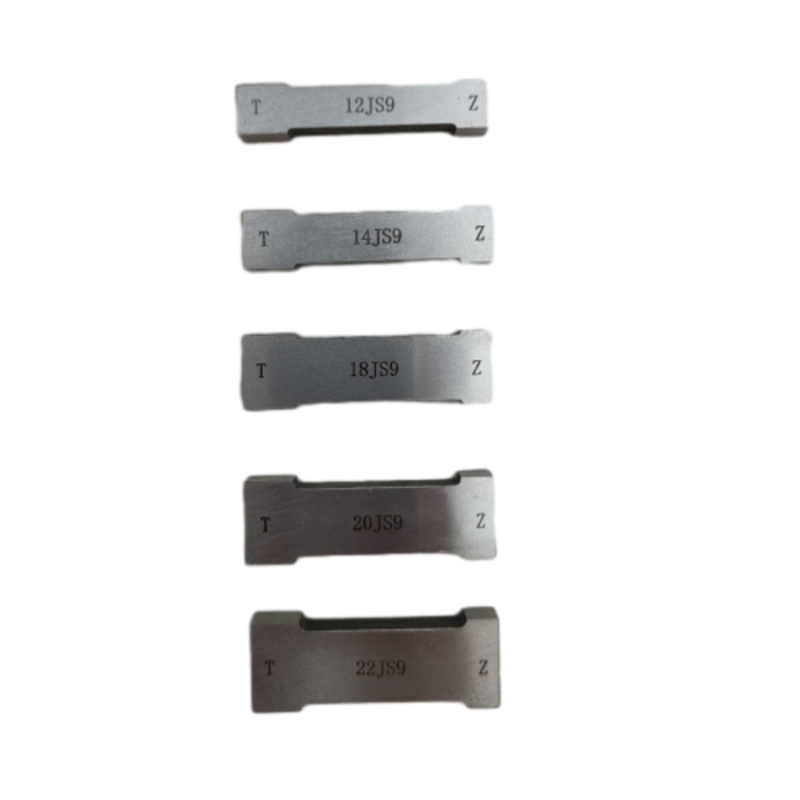
Using Pin Go-No Go Gauge for Precision Measurement in Manufacturing Applications
Understanding the Pin Go/No-Go Gauge A Key Tool in Quality Control In the realm of manufacturing and
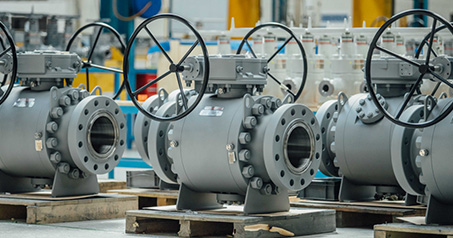
Využití paralelního pravítka v různých oborech a jeho výhody
Použití paralelních pravítek v praxi Paralelní pravítka jsou jedním z nejoblíbenějších nástrojů mezi
 English